
New constructionNew build? Bring me on the first visit.
The builder's sales team works for the builder. I work for you: I negotiate the deal, line up your inspections and stay with you through the 11-month walk.
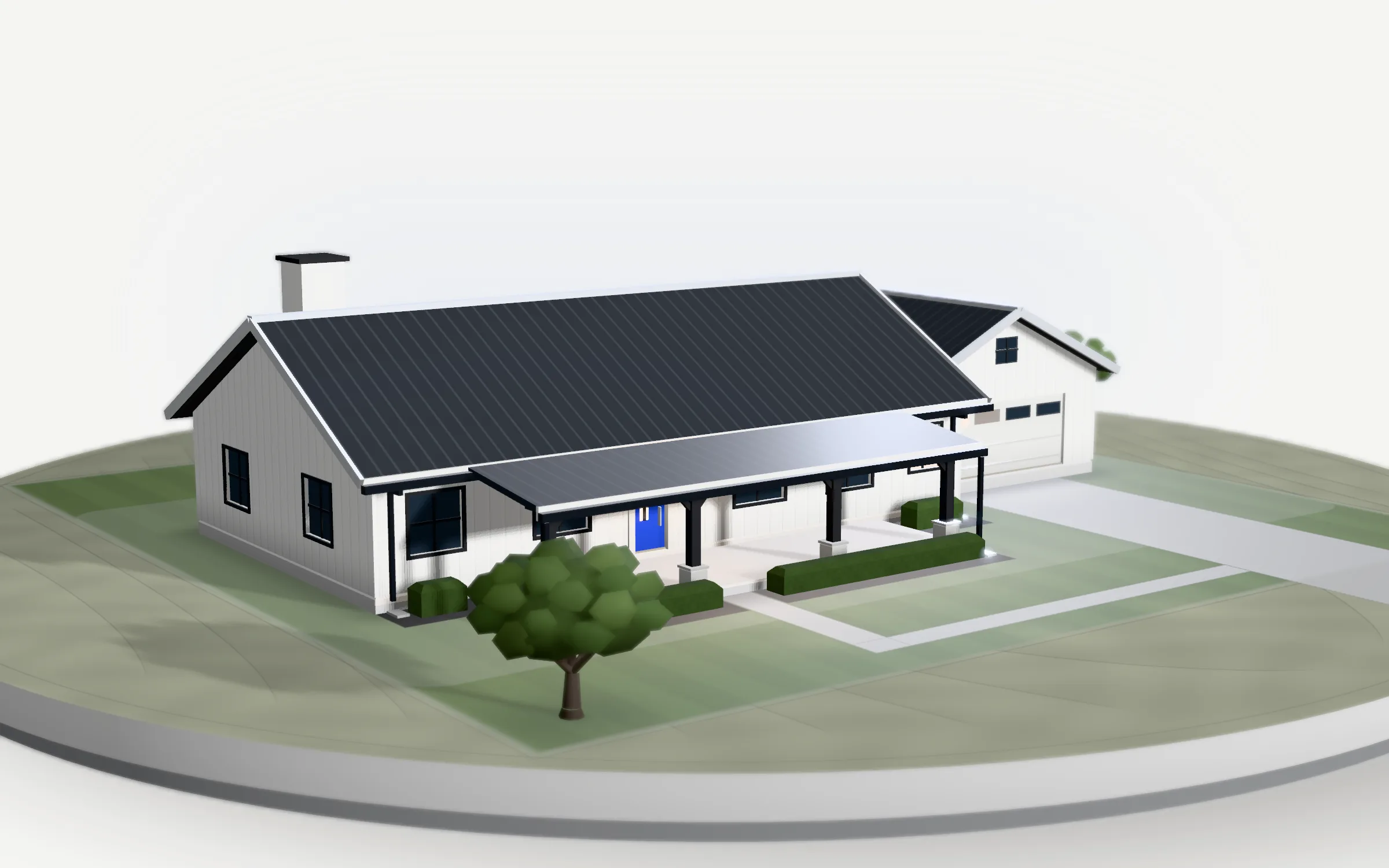

Where I come in.
Their team. Your side.
The builder's side
- Its sales consultant
- Its affiliated lender
- Its title company
- Its contract
- Its own inspections
“Our NHC [new home consultant] represents Lennar and is not your broker or agent.”
Your side
- Me
- Your own inspector
- Any lender you choose
- The real closed prices
Texas law since Jan. 1, 2026: a written agreement before an agent shows you a home.
What I do on a new build.
- I negotiate for you. Price, incentives, upgrades, closing costs, the lot: I work the whole deal, on your side of the table.
- I bring the real numbers. What homes there actually closed for, not just what's on the sign.
- I use the leverage. When builders are motivated, I know what to ask for and which incentives are worth taking.
- I get eyes on the build. I line up your inspector at each phase and get the findings to the builder in writing.
- I know their contract. A builder's contract isn't the state's form. We go through it together before you sign.
- I stay on it. Delays, the punch list, warranty claims: I'm on the builder until it's handled.
- Builders often cover it. Many builders' programs pay the buyer's agent. How I'm paid goes in writing before we tour.

First-visit rules. Many builders want me registered at your first visit or contact, often in person. Not all do.
Text me the communityGo deeper: the builders' own rules
Many large builders in DFW publish programs for buyers' agents that start only if the agent registers you at your first visit or first contact, and most also want the agent there that day. Visit or contact some builders on your own first and your agent can lose eligibility for their broker program at that community (Lennar, Toll Brothers, Tri Pointe, LGI Homes and Taylor Morrison say so). Registration is often community by community, and it expires.
In their own words: KB Home asks agents to “register your clients on their first visit.” Tri Pointe Homes: “You must physically accompany and personally register your client (i.e., the Buyer) on their FIRST visit.” Toll Brothers: an agent “must complete an electronic registration at the time of their client's first visit to a specific Toll Brothers community.” LGI Homes counts a “call, text, email, or online form submission” as contact. Lennar: “Booking an appointment on this website does not constitute a realtor registration.”
Not every builder works this way: Meritage Homes tells agents it pays for every represented buyer, “even if you weren't there on the first visit,” Highland Homes uses a REALTOR addendum at contract, Trophy Signature Homes asks for the agent on the sales contract, and HistoryMaker Homes asks only for an email or text from your agent before you visit. How your agent is paid is set in your written agreement with your agent, and it's negotiable.
Who the builder's team works for: Taylor Morrison's terms say its community sales representatives “do not represent or purport to represent any prospective buyer.” Under Texas law, a builder's own employee can sell the builder's homes without a real estate license (Occupations Code §1101.005(6); TREC).
As of October 2026. Sources
Lennar's homebuying guide and broker participation policy; Taylor Morrison's terms of use and agent page; KB Home; Toll Brothers; Tri Pointe Homes' broker guidelines; LGI Homes; Meritage Homes; Highland Homes; Trophy Signature Homes; HistoryMaker Homes; the affiliate disclosure of D.R. Horton's lender, Pulte's DFW terms, Taylor Morrison's DFW terms and KB Home's affiliate disclosure. Texas law: Occupations Code Chapter 1101 (§1101.005(6), §1101.563, added by S.B. 1968, effective Jan. 1, 2026; TREC on S.B. 1968); TREC's FAQ on selling a builder's homes; TREC's Information About Brokerage Services; 22 TAC §537.11 (an owner's own contract form); TREC's new home contract (inspectors selected by the buyer); the CFPB on builders' lenders; a licensed inspector writing for MetroTex on builders' own inspections. Builders change these policies often. General information, not legal advice.
One house, every inspection.
- First visit
The lot
Bring me before you sign anything. Here's every checkpoint after that.
- Pre-pour
Foundation, before the pour
InterNACHI's Texas pre-pour class covers checking the forms, materials, plumbing and post-tension cables. It has to fit the builder's schedule, so I get your inspector on it.
- Pre-drywall
Framing and rough-ins
Plumbing, wiring and ductwork are in, before insulation and drywall cover them. Problems are easier to fix now. We walk it, and findings go to the builder in writing.
- City
City inspections are minimums
The city checks the work against minimum code standards. A Texas home inspection is a visual survey, not a code check. Different jobs, so I want both on your house.
- Before closing
Final, before closing
Your final inspection should leave the builder time for repairs before closing. At the builder's orientation, your punch list goes to them, and I stay on it until it's done.
- Month 11
A year later: the 11-month walk
Warranties vary, but a common one covers workmanship for a year. An inspection in month 11 can catch problems while that still applies. Warranty requests go in writing.
From the first visit to the 11-month walk, I'm in your corner.
As of October 2026. Sources
Phase inspections: ASHI (the phases, the builder's schedule, the final before closing); InterNACHI's pre-drywall standard, its Texas pre-pour class and its 11-month inspection card.
City inspections: Celina, Prosper and McKinney's residential builder packet. Home inspections: TREC's Standards of Practice and its note on building codes.
Orientations and warranties, in the builders' own words: Lennar, David Weekley, Toll Brothers, and 2-10 Home Buyers Warranty on the common 1-2-10 structure. Warranty terms vary by builder, so read yours. General information, not legal advice. The model is one house, not any builder's plan.
A model · not to scale
The number on the sign.
“Before you sign, I pull what homes in that community actually closed for in the MLS. Sometimes clients are shocked. They'd probably have just paid the builder's price.”
Me, on pulling the MLS closings- of builders used sales incentives in September
- 66%
- cut prices, by 6% on average
- 38%
- Source
- NAHB/Wells Fargo, U.S., 2026
- Their lender
- The advertised rate often requires it. Buying the home doesn't. The CFPB says compare at least three offers.
- Their title company
- Builders almost always pick it. Premiums are the same at every Texas company (TDI), so I watch the other fees.
Go deeper: incentives and closed prices
Texas is a non-disclosure state: appraisal districts “cannot force anyone to provide the sales price,” while MLS rules require listing brokers to report the sale prices of listed homes to the MLS (MetroTex Association of REALTORS, from Texas REALTORS). A builder's sales that were never listed may not show up there.
Incentives, nationally: D.R. Horton said on July 21, 2026, “we expect sales incentives to remain elevated during the fourth quarter” (its fiscal quarter through September), “with incentive levels dependent on demand, mortgage rates and other market conditions.” John Burns Research and Consulting said in June 2026 that incentives were averaging around 7% of the asking price, about twice the pre-Covid average (via Marketplace).
Builders' DFW terms in October 2026, in their words: D.R. Horton, “Buyer is not required to finance through [its affiliated lender] to purchase a home; however, buyer must use [that lender] to receive the advertised rate.” Pulte and Centex's advertised examples assume “participation in the Affiliate Incentive Program, including financing through” their affiliated lender. Taylor Morrison's finance promotion needs both its chosen closing agent and its affiliated lender, though neither is required to buy.
Lenders: the CFPB says, “You don't have to use that lender, and you have the right to shop around for a better deal.” A temporary buydown lowers the payment for a limited time, usually one to three years, and the payment rises each year until it ends (CFPB).
As of October 2026. Sources
NAHB/Wells Fargo Housing Market Index, Sept. 16, 2026 (national); D.R. Horton's results, July 21, 2026; John Burns Research and Consulting via Marketplace, June 19, 2026; builders' DFW terms from D.R. Horton, Pulte, Centex and Taylor Morrison (promotions change often); the CFPB on builders' lenders, shopping for a mortgage and temporary buydowns; the Texas Department of Insurance on title insurance; MetroTex on reporting sales prices. The figures are national, not any one community's or deal's. General information, not financial advice.
Their contract, not the state's.
TREC publishes new-home contracts, but a builder can require its own.
Earnest money
Lennar's guide: once signed, it's “typically nonrefundable unless the Agreement expressly provides otherwise.”
The closing date
KB Home's checklist: closing time frames are “estimates only, not guaranteed.”
Changes
TREC's form: “All change orders must be in writing.”
Disputes
TREC's form uses mediation. A builder's contract or warranty may require binding arbitration.
I go through every page of it with you before you sign.
Go deeper: more to read for
TREC's current new home contracts, Incomplete Construction (23-20) and Completed Construction (24-20), became mandatory for license holders on July 1, 2026; a builder's own form is the exception.
Substitutions: TREC's form lets the seller substitute materials, equipment and appliances “of comparable quality,” and a KB Home checklist says KB “reserves the right to change or discontinue features, options, products, materials and suppliers at any time without notice.” Price: a materials escalation clause can raise the price if material costs rise; Texas A&M's Real Estate Research Center says these clauses “appear to be enforceable.” Deposits: the CFPB says ask the builder “under what conditions the builder deposit can be returned.” The closing date: Lennar's guide calls it “only an estimate.”
Promises: the Texas Attorney General warns, “If you were promised something that is different from the purchase agreement, it can be costly and very difficult to undo.” Arbitration: warranty documents used by Pulte, D.R. Horton and Bloomfield call for binding arbitration, and Lennar's warranty materials say “Disputes are subject to mediation and binding arbitration.” In Lennar Homes of Texas v. Whiteley (2023), the Texas Supreme Court held that a later buyer of the home was bound by the purchase agreement's arbitration clause.
As of October 2026. Sources
TREC's contracts page, the New Home Contract (Incomplete Construction), 23-20 and (Completed Construction), 24-20, and TREC's May 2026 meeting recap; 22 TAC §537.11 and Occupations Code §1101.155 (an owner's own form); Lennar's homebuying guide; KB Home's buyer checklist; binding arbitration in Pulte's warranty book, a warranty booklet used by D.R. Horton and a sample warranty used by Bloomfield; the Texas Attorney General; the Texas Supreme Court, Lennar Homes of Texas v. Whiteley (May 12, 2023); Texas A&M Real Estate Research Center on escalation clauses; the CFPB on builder deposits; Texas REALTOR magazine on builder contracts. General information, not legal advice.
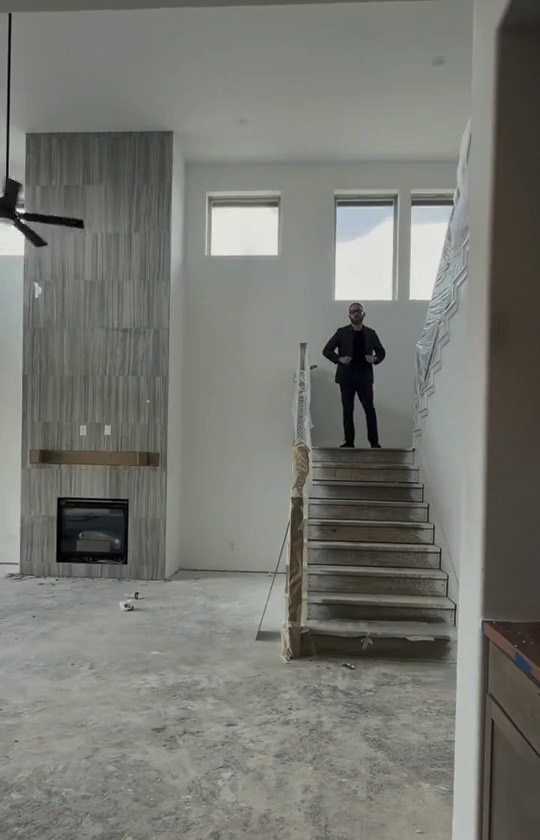
When problems come up.
Deadlines are real
One sample warranty says late or unwritten reports waive coverage.
No state builder agency
Texas's ended in 2009 with its statutory warranty. TREC “does not have jurisdiction over builders.” That's why you want someone in your corner.
Go deeper: defects and deadlines
Before closing, builders typically walk you through the finished home and take your list. Lennar's orientation is typically about a week before closing, and its team addresses your list in the 7 days before the final walkthrough; Highland Homes says its orientation “usually takes several hours”; Toll Brothers calls about four to six weeks before closing to schedule its room-by-room orientation.
Texas's Residential Construction Liability Act requires written notice of the defects to the builder by certified mail, return receipt requested, at least 60 days before filing suit or arbitration, along with the evidence you have (reports, photos, videos). The builder may ask in writing to inspect within 35 days and may make a written settlement offer within 60 days of the notice. Turning down a reasonable offer can limit what you recover (Property Code §27.004). For warranty items left unrepaired, TREC's options include the Better Business Bureau and the Attorney General's Consumer Protection Division.
Warranties vary in DFW: David Weekley, KB Home and Beazer describe 1-2-10 coverage; Perry Homes, two years of workmanship and ten structural; Highland Homes and Bloomfield, six years structural, two mechanical and one; Pulte adds five years for certain water infiltration. Deadlines are real: Pulte's book says claims “must be received by us no later than 30 days after the expiration of the applicable warranty coverage period.” Some builders check in on their own: David Weekley's warranty representative “will even conduct a walk-through just shy of your one-year anniversary.”
Your own inspector: builders' rules differ. David Weekley: “In most cases, you may hire a third-party inspector.” Meritage says you may have a third-party inspector look at your home before your warranty expires, but it does “not accept third-party inspection reports”; you submit the warrantable items on a warranty request. TREC's inspector committee chair wrote that a buyer's “ability to have their largest investment inspected may be hindered by the policies of some builders.”
As of October 2026. Sources
2-10 Home Buyers Warranty (the common 1-2-10 structure); builders' warranty pages: David Weekley, KB Home, Beazer, Perry Homes, Highland Homes, Bloomfield and Pulte's warranty book; a warranty booklet used by D.R. Horton (written notices) and a sample warranty used by Bloomfield (late reports waive coverage); Lennar on the orientation and final walkthrough; David Weekley's warranty walk-through; Toll Brothers on its orientation; Meritage on inspection reports; InterNACHI on the 11-month inspection; the Texas Sunset Advisory Commission on the Texas Residential Construction Commission (abolished; its Act expired Sept. 1, 2009) and a 2012 law firm paper on its statutory warranty; TREC on builder warranties and its inspector committee chair's October 2023 message; Texas Property Code Chapter 27 (the Residential Construction Liability Act). General information, not legal advice.
Taxes and notices on a new home.
-
Jan. 1 sets the value
Unfinished that day? Collin CAD values it by how complete it is.
-
Homestead, year one
Bought after Jan. 1? You may still claim it if the prior owner didn't. Apply within a year.
-
PID, MUD and HOA notices
Due before you're bound. A late one can let you terminate.
Tax lines McKinney Melissa Prosper & Celina Anna
Go deeper: the details
Jan. 1. Texas appraises property at its market value as of January 1, and who owns it that day gets the bill (Tax Code §23.01; Texas Comptroller). Collin CAD drives every property with an active permit each year to set its percent complete as of January 1. Budget for the jump the next year, once the finished home is on the roll.
Homestead. Since 2022, a buyer who acquires a home after January 1 may get the general residence homestead exemption for the rest of that tax year if the prior owner didn't receive it (Tax Code §11.42(f)); apply before the first anniversary of your purchase (§11.43(d)). The 10% homestead appraisal cap starts the second January 1 after you buy (§23.23(c), (c-1)).
PID. The seller owes you the statutory notice before a binding contract; if it comes late, you may terminate within seven days after receiving it, where the district's service plan was filed (Property Code §5.014, §5.0141). The assessment “MAY BE PAID IN FULL AT ANY TIME,” or in yearly installments that “WILL VARY FROM YEAR TO YEAR.”
MUD. The notice says the district “may impose an unlimited rate of tax in payment of such bonds” and that “The cost of district facilities is not included in the purchase price of your property.” Without it before a binding contract, you're entitled to terminate (Water Code §49.452, §49.4521).
HOA. The seller gives notice that membership is mandatory and assessments are “subject to change” before the contract binds you; otherwise you may terminate within seven days after receiving it or by closing, whichever is earlier (Property Code §5.012). With TREC's HOA addendum, you may terminate within 3 days after receiving the subdivision information or before closing, whichever comes first. In a new community, the developer can control the HOA board for a time.
As of October 2026. Sources
Texas Tax Code Chapter 23 (§23.01, §23.23) and Chapter 11 (§11.42(f), §11.43(d)); the Texas Comptroller; Collin CAD's 2025-2026 Reappraisal Plan and homestead FAQs; Texas Property Code Chapter 5 (§5.012, §5.014 to §5.0143) and §209.00591; Water Code Chapter 49 (§49.452, §49.4521); TREC's HOA addendum, 36-11. General information, not legal or tax advice.
Where it's being built.
In 2025, DFW led U.S. metros in new housing units authorized (66,179) and ranked No. 2 for single-family homes (39,790).
U.S. Census Bureau, May 14, 2026. Sources
New privately owned housing units authorized by building permits: the U.S. Census Bureau's 2025 Building Permits Survey highlights (released May 14, 2026; Dallas-Fort Worth-Arlington first of U.S. metros with 66,179 units, Houston second), its metro file (39,790 single-family units in DFW, second to Houston's 46,219) and its place file (single-family units authorized in Celina, McKinney, Anna and Melissa, the bars). Prosper isn't a bar: its Census figure doesn't match the Town's own count, so the Town's number is shown on its own line, from its Development Services report, August 2026 (623 single-family permits in 2025). A count of permits, not of homes finished or sold.

If it can break, I've negotiated it.
- 10years, full time
- Hundredsof transactions
- 80+five-star Google reviews
- Top ProducerD Magazine
My brokerage: Coldwell Banker Apex, Realtors
Your side of the table.
Tell me the builder. I'll check their rules first.
Ashton Harris, REALTOR®
Coldwell Banker Apex, Realtors
Text or call (214) 714-0997 · ashharrishomes@gmail.com